
 |
提供各种实验动物的饲养,以及进行相应实验模型的构建。
|
|||||||||||||||||
| [发表评论] [本类其他服务] [本类其他服务商] | ||||||||||||||||||
| 服务商: 广州市佰而林生物科技有限公司 | 查看该公司所有服务 >> |
本公司提供动物饲养与模型构建,欢迎咨询洽谈!
用于生物医药研究的动物模型具备以下五个特点:
1. There can be substantial asymmetry in the number of similarities and differences between the model and the target. In theory, the model and the target only need to have a single feature in common, but there can be any number of differences. This means that useful models can sometimes be highly abstract, such as a mathematical equation or computer simulation.
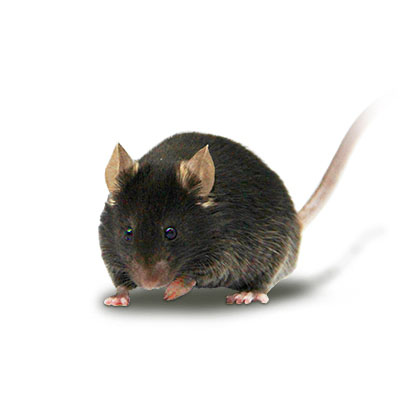
2. There necessarily are some differences between the model and the target otherwise the model would not be a model. Some of the differences are extremely important as they allow us to do things with the model which would not be possible with a human. Mice are widely used because they are small, prolific, and we can manipulate their genetics in ways not possible with humans. These differences from humans make them more, not less, valuable as models of humans for some applications. But this also makes them unsuitable for other applications such as heart surgery.
3. Models are highly specific to a particular study. Strains of mice and rats which develop cancer, heart disease, diabetes or neurological diseases could be of great interest in the study of these diseases, but these animals would probably be unsuitable for regulatory toxicology where long-lived strains are usually required. Thus, it is impossible to say whether "the rat' is a good or bad model of humans without specifying the context of the proposed study.
4. Models need to be validated. Research using animal models usually aims to predict a response in humans. When a new treatment for a particular disease or condition is developed in animals clinical trials will normally show whether or not the model was valid. The one exception is in testing industrial and environmental chemicals for their toxicity, where deliberate exposure of humans is not ethically acceptable.
5. Models are subject to improvement through further research. A lot of animal research is aimed at understanding the animal as a potential model for particular human conditions, without being too precise as to what those conditions might be. Models are not just found. They need to be developed, and this requires an understanding of the biology of the species and the effects of various interventions such as inactivating specific genes or manipulating the environment. As our understanding increases, so the chance of choosing the most appropriate models for a specific disease increases.
资料来源于animal-research info